
Introduction: Holi Is Amazing — But Your Beard Needs a Game Plan
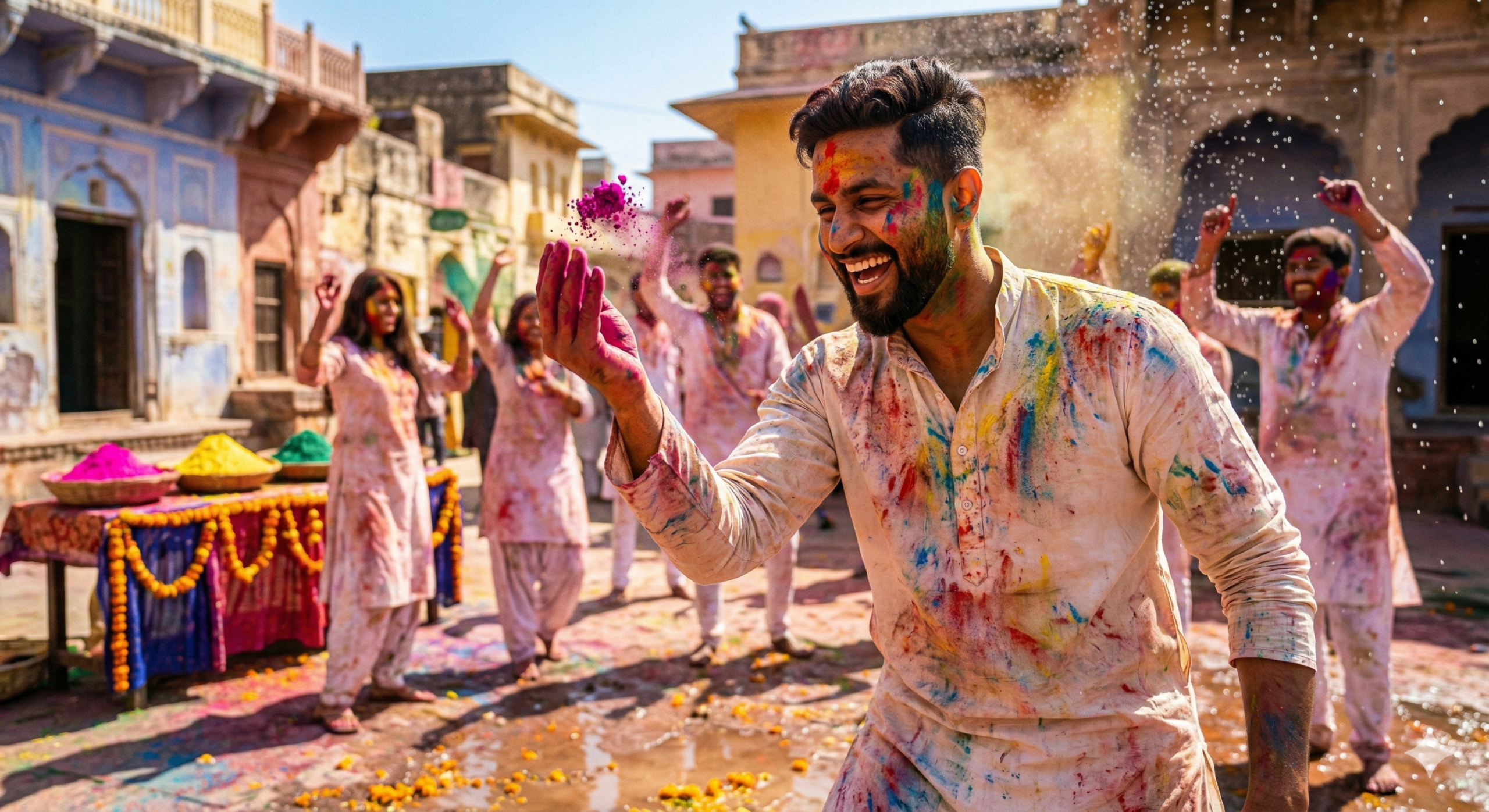
Holi is one of the most exciting festivals in the world. Colors fly everywhere, music fills the streets, and laughter is contagious. It is the kind of celebration that makes unforgettable memories. But if you have a beard, there is one part of Holi that is not so fun — the cleanup afterward.
Here is the problem: your beard acts like a sponge. It catches powder, soaks up colored water, and traps everything it touches. The thicker and drier your beard is, the more color it absorbs. What feels like a fun splash in the moment can turn into days of dry, itchy, stained facial hair later.
The good news? With the right beard care guide, you can enjoy every moment of Holi without sacrificing your beard. This guide walks you through everything you need to know — from what to do three days before the festival all the way to how to restore your beard to full health afterward. No more scrubbing sessions that feel like punishment. No more dull, damaged hair that takes weeks to recover. Just smart, simple steps that actually work.
Let us break it all down.
Part 1: Pre-Holi Preparation — Build Your Defense Before the Fun Begins
Most beard owners make one big mistake: they wait until the morning of Holi to think about protection. By then, it is already too late to fully prepare. Great beard protection starts two to three days before the festival. This gives your hair time to absorb the treatments you apply and build a strong barrier against color and chemicals.
Think of it like putting on armor before a battle. The stronger and more prepared your beard is going in, the easier the cleanup will be coming out.
Why Dry and Damaged Hair Is the Enemy
Hair that is already dry or damaged absorbs color much faster than healthy hair. Here is why: the outer layer of each hair strand, called the cuticle, acts as a protective shield. When hair is healthy, the cuticle lies flat and smooth, and colors struggle to get past it. But when hair is dry or damaged, the cuticle is rough and raised. Color slips right in.
This is exactly why preparation matters so much. You want your beard’s cuticles as smooth and sealed as possible before you step into the Holi chaos.
💡 Pro Tip: Start your beard prep at least two to three days before Holi for best results.
Step 1: The Oil Shield — Your Best Friend Before Holi
Oil is your number one weapon against Holi color. A thick coating of natural oil creates a slick surface on each hair strand, making it much harder for powder and water-based dyes to stick or sink in. It is like waxing a car — water beads right off a waxed surface instead of soaking in.
The best oils to use are coconut oil, almond oil, olive oil, and jojoba oil. All of these are natural, easy to find, and highly effective. Do not use just a small amount — you need a generous coat for proper protection. Work the oil from the roots of your beard all the way to the tips. Massage it into the skin beneath your beard too, since the skin is just as vulnerable to irritation as the hair.
Apply this oil one to two hours before you head out for the festival. You want the oil to fully absorb into the strands before color exposure starts. If possible, carry a small bottle with you to reapply during the event if needed.
Why it works: Oil reduces the surface tension that allows color particles to stick to hair. It also keeps the hair flexible, which prevents breakage during washing later. Many people who use this method report dramatically easier rinses after Holi.
Step 2: Deep Conditioning — Feeding Your Beard with Moisture
One day before Holi, treat your beard to a deep conditioning session. Deep conditioners are packed with ingredients that strengthen hair and lock in moisture. When your beard is properly hydrated, it handles chemical exposure much better.
Good deep conditioning ingredients to look for include argan oil, shea butter, and jojoba extract. Apply the conditioner to your clean beard, cover it with a warm towel, and let it sit for 20 to 30 minutes. The warmth helps the conditioner penetrate deeper into the hair shaft. Then rinse lightly and let your beard air dry naturally. Avoid using heat tools like blow dryers before Holi, as heat can actually dry out the hair and undo your prep work.
For extra protection, you can repeat this conditioning process two days before the festival as well. Layering hydration over time builds a stronger, more resilient beard.
💡 Pro Tip: Smooth, hydrated hair cuticles absorb less color than rough, dry ones. Conditioning is not optional — it is essential.
Step 3: The Pre-Festival Trim — Remove the Weak Spots
About a week before Holi, visit your barber for a fresh trim. This step is often overlooked, but it makes a real difference. Split ends and damaged tips act like magnets for color. They absorb pigment faster than healthy hair and are much harder to clean afterward.
A good trim clears out those weak spots and gives your beard a clean, even shape. You do not have to change your style dramatically — just remove the damaged ends and tidy up the edges. A well-maintained beard has better airflow, which helps during recovery too.
Longer beards trap more powder and require extra care. But even if you are keeping the length, a clean shape makes a noticeable difference in how easily you can clean up after the festival.
Step 4: The Pre-Cleanse — Start with a Clean Slate
Two days before Holi, use a gentle clarifying beard wash to remove any buildup of styling products, wax, or trapped dirt. Here is why this matters: old product residue can mix with Holi pigments and create a sticky, hard-to-remove mess. Clean hair absorbs oil treatments more effectively, which means your protective layer works better.
Keep the wash mild. Harsh shampoos strip natural oils and leave your beard dry and vulnerable. After clarifying, always follow up with a conditioner to restore moisture. You want your beard clean and hydrated going into the festival — not clean and stripped.
Part 2: During the Festival — Smart Moves That Protect Your Beard Mid-Celebration
Preparation gives you a strong foundation, but how you behave during Holi also matters. You do not need to avoid the fun — that would defeat the whole point. But a few smart choices in the moment can dramatically cut down on cleanup time and damage afterward.
Use Physical Barriers: Scarves, Bandanas, and Caps
One of the most practical things you can do during Holi is wrap your beard in a light piece of fabric. A cotton bandana or scarf works perfectly. It blocks direct hits from dry gulaal and significantly reduces how much color actually reaches your hair.
In wet zones where people are spraying colored water, add a cap on top to stop liquid from running straight through your beard. Yes, your friends might tease you a little. But you will have the last laugh when your beard looks great the next day while theirs is a stained mess.
Even partial coverage helps. You do not need to cover everything perfectly. Reducing exposure by even 50 percent makes cleanup noticeably easier.
💡 Pro Tip: Test your bandana or scarf setup at home before Holi so you know it is comfortable and secure.
Choose Natural Colors Whenever Possible
Not all Holi colors are created equal. Cheap synthetic powders often contain harsh chemicals, heavy metals, and alkaline compounds that dry out hair, irritate skin, and cause lasting damage. These powders can actually damage your beard at a chemical level, weakening the hair shaft and causing long-term dryness.
Natural or organic Holi colors are made from plant-based ingredients like turmeric, beetroot, and flower extracts. They are gentler on hair and skin, and they rinse off much more easily. If you can, bring your own safe natural colors to the celebration. If everyone around you is using natural colors too, even better.
This small choice protects not just your beard but also the skin underneath, which can become seriously irritated from prolonged exposure to synthetic dyes.
Understand the Water Factor
Water is what makes Holi dyes dangerous to beards. Dry powder sits mainly on the surface of your hair and is relatively easy to brush off later. But when water is added, it activates the dyes and helps them bind tightly to the hair shaft. Wet pigment penetrates much deeper than dry powder.
If you can, try to stay away from the heaviest water-gun zones during the celebration. Position yourself upwind from water sprayers. If you do get completely soaked, try to rinse your beard with plain clean water as soon as possible before the pigment has a chance to fully set.
This tactic keeps colors at the surface level, where they are far easier to remove during cleanup.
Resist the Urge to Rub
This sounds simple, but it is easy to forget in the middle of the excitement: do not rub or scratch your beard when it is covered in color. Rubbing pushes pigment deeper into the hair strands and roughens the cuticle layer, making stains harder to remove.
If color gets on your face or near your eyes, gently pat the area with a damp cloth instead of scrubbing. The aggressive scrubbing can wait until proper cleanup time. Being gentle in the moment saves you from extra damage.
Part 3: Post-Holi Cleanup — Gentle Methods That Actually Work
The celebration is over. Your beard is covered in color. Now what? The biggest mistake people make at this stage is panicking and reaching for the harshest soap or shampoo they can find. That approach does more damage than the color itself.
Gentle, patient cleanup is always more effective than aggressive scrubbing. Follow these steps in order for the best results.
Step 1: The Oil Pre-Cleanse — Let Oil Do the Heavy Lifting
Before you even touch water, apply a generous amount of oil to your dry, color-covered beard. Use the same oils from your pre-Holi prep — coconut, almond, or olive oil. Massage it in thoroughly for five to ten minutes.
Oil is incredibly effective at breaking down pigment. It dissolves the color particles and lifts them from the hair shaft, which means much less scrubbing is needed. After massaging, wipe away the loosened color gently with a soft cloth. You will be surprised how much comes off in this step alone.
This pre-cleanse step is the secret weapon that most people skip. Do not skip it.
Step 2: Wash with a Sulfate-Free Beard Cleanser
Now it is time to wash. But here is the key: use a sulfate-free beard shampoo or wash. Sulfates are harsh detergents found in many regular shampoos. They create a rich lather, but they also strip your beard of its natural oils, leaving it dry, brittle, and more damaged than before.
If you do not have a beard-specific wash, a gentle baby shampoo works in a pinch. Apply it with your fingertips using soft, circular motions. Do not scrub aggressively. Let the cleanser do the work. Rinse thoroughly with lukewarm water.
Limit yourself to two washes maximum in one session. Washing more than that just strips more moisture without removing significantly more color.
Step 3: Temperature Control — Use Lukewarm Water Only
The temperature of your rinse water matters more than most people realize. Hot water opens up the hair cuticle, which actually allows dye to sink deeper into the strand during rinsing. This is the opposite of what you want.
Stick to lukewarm water throughout the entire washing process. When you are done, finish with a short cool water rinse. Cool water flattens the cuticle and helps lock in moisture. It also adds a nice shine to your beard once it dries.
💡 Pro Tip: Test your water temperature on your wrist before applying it to your beard. If it feels hot, it is too hot.
Dealing with Stubborn Stains
Sometimes, even after a thorough oil pre-cleanse and gentle wash, a bit of color stubbornly refuses to budge. Do not panic and do not scrub harder. Instead, repeat the oil pre-cleanse process the following day. Applying oil, letting it sit, and then washing again is far more effective than aggressive scrubbing in a single session.
For very stubborn stains, a paste made from baking soda and coconut oil can help lift color. Apply it gently, leave it for a few minutes, and rinse with lukewarm water. Follow with a conditioner immediately afterward to restore moisture. Avoid lemon juice or other acidic treatments, as these can actually strip color from your beard permanently and damage the hair shaft.
Part 4: Recovery Phase — Restoring Your Beard to Full Health
Cleaning the color out is just the first step. Your beard has been through a lot — chemical exposure, friction, colored water, and sun. Now it needs to recover. The recovery phase is where your beard goes from cleaned to actually healthy again.
The 48-Hour No-Styling Rule
For the first 48 hours after Holi, give your beard a break from all styling products. Heavy waxes, gels, and pomades clog the pores around your hair follicles right when they need to breathe the most. Let your beard settle naturally.
After two full days, you can ease back into your regular styling routine. Start with a light oil before adding any stronger hold products. Your beard needs air, balance, and rest to reset properly after the stress of festival exposure.
Deep Moisture Masks — Your Beard’s Recovery Treatment
After your post-Holi wash, apply a thick moisture mask to your beard while it is still slightly damp. Ingredients to look for include aloe vera gel, shea butter, and argan oil. These soothe irritated skin, smooth dry hair strands, and replenish lost moisture.
Leave the mask on for at least 15 minutes. For deeper recovery, wrap your beard in a warm towel while the mask sits. Then rinse lightly and follow up with a leave-in conditioner or light beard balm to lock in the hydration throughout the day.
Use this treatment daily for the first three to five days after Holi. You will notice your beard becoming softer, fuller, and shinier within a week.
DIY Recovery Mask: Mix two tablespoons of plain yogurt with one tablespoon of honey. Apply to your beard, leave for 15 minutes, and rinse with lukewarm water. Yogurt contains lactic acid that gently lifts residue, while honey locks in moisture.
Tackling Post-Holi Itchiness and Irritation
Itching is extremely common after Holi. It is usually caused by one of two things: leftover chemical residue from synthetic dyes that was not fully rinsed out, or dryness from all the water exposure and washing. Both are treatable.
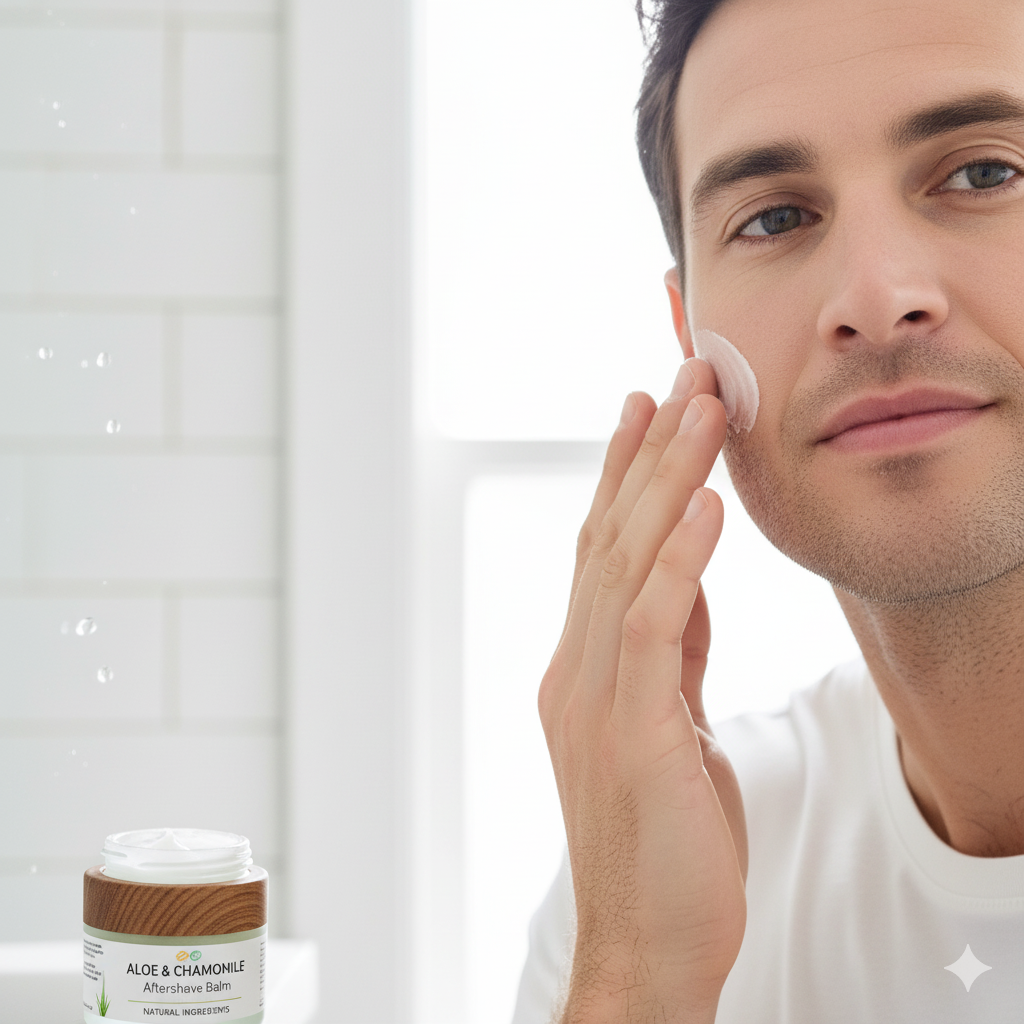
To calm irritation, dilute a few drops of tea tree oil in a tablespoon of coconut oil and dab it lightly on the itchy areas. Tea tree oil has natural antifungal and antibacterial properties that help neutralize irritants. Beard balms containing chamomile or aloe vera also work well for calming redness.
Resist the urge to scratch, no matter how tempting it is. Scratching can lead to ingrown hairs, micro-cuts, or even infections in already-irritated skin. If redness or swelling does not improve within three to five days, it is worth seeing a dermatologist.
💡 Pro Tip: Always do a patch test with any new product on a small skin area before applying it all over your beard after Holi, since your skin may be more sensitive than usual.
Restarting Your Daily Brushing Routine
Gentle brushing is one of the best things you can do for your beard during the recovery phase. Use a boar bristle brush, which is softer than synthetic bristles and works with your hair rather than against it. Brush morning and evening with gentle, smooth strokes.
Brushing distributes your beard’s natural oils evenly from root to tip. It also stimulates blood circulation to the follicles, which encourages healthy growth. After the stress of Holi, this stimulation helps speed up the recovery process significantly.
Be gentle — your beard is more vulnerable than usual right after the festival. Brush slowly and patiently, working out any tangles without pulling or yanking.
Part 5: Nutrition and Internal Support — Feed Your Beard from the Inside Out
Here is something many people do not think about: what you eat directly affects the health of your beard. Hair is made of a protein called keratin, and your body needs specific vitamins and minerals to produce it properly. When your beard is recovering from Holi stress, giving it the right internal support speeds up the healing process dramatically.
Key Vitamins for Beard Recovery
Biotin, also known as Vitamin B7, is one of the most important nutrients for hair growth and strength. It supports keratin production and helps repair damaged strands. You can get biotin naturally from eggs, nuts, seeds, and sweet potatoes.
Vitamin E is a powerful antioxidant that protects hair follicles from oxidative damage. After chemical exposure during Holi, your follicles need this protection. Good sources include almonds, sunflower seeds, and spinach.
Omega-3 fatty acids reduce inflammation around the hair follicles and keep the scalp and beard skin moisturized from within. Fatty fish, walnuts, and flaxseeds are all excellent sources.
You can also apply vitamin-enriched beard oils topically, two to three times per week, to support recovery from the outside as well.
💡 Pro Tip: Before starting any supplements, consult a doctor or pharmacist. More is not always better when it comes to vitamins.
Hydration — The Most Overlooked Recovery Tool
Drinking enough water is one of the simplest and most effective things you can do for beard recovery. Dehydration makes hair dull, brittle, and slow to grow. During and after a festival where you are sweating, running around, and exposed to the sun, it is easy to end up dehydrated without realizing it.
Aim to drink at least eight glasses of water per day during the recovery week. Herbal teas and coconut water are great additions. Avoid excessive caffeine and alcohol, both of which dehydrate the body and slow down recovery.
No beard care guide would be able to save you unless and until you drink enough water.
Part 6: Long-Term Beard Health — Staying Strong Year-Round
The steps you take after Holi should not be a one-time thing. The best protection for next year’s festival is a beard that is already strong and healthy going in. Consistent care throughout the year makes a bigger difference than any single treatment right before the festival.
Build a Weekly Routine That Sticks
Weekly deep conditioning should become a permanent habit. Set aside 20 minutes every Sunday evening to apply a conditioning mask to your beard. This keeps moisture levels high, cuticles smooth, and your beard resilient against all kinds of environmental stress — not just Holi.
Oil your beard daily, even on days you do not style it. A few drops of jojoba or argan oil worked through your beard each morning keeps strands flexible and skin moisturized. It takes about 30 seconds and makes a noticeable difference over time.
Schedule regular trims every four to six weeks. Keeping split ends trimmed means you never go into Holi with compromised hair that is just waiting to get stained.
Protect Your Beard Year-Round, Not Just at Holi ( Follow the Beard Care Guide year round )
The habits you build for Holi protection are actually great for everyday beard health too. UV rays from the sun, air pollution, hard water from showers, and even the air inside heated or air-conditioned buildings all cause the same kinds of damage as Holi colors — just more slowly.
Wearing a light scarf or bandana when you are outside in windy, dusty, or polluted conditions protects your beard the same way it does during the festival. Rinsing with cool water instead of hot is a good daily habit. Choosing sulfate-free beard washes for your regular routine is a smart choice all year long.
Know When to See a Professional
Sometimes, despite your best efforts, your beard might show serious signs of damage after Holi or any other chemical exposure. Signs to watch for include excessive hair loss or breakage, persistent redness or swelling that lasts more than five days, deep staining that does not fade after multiple wash cycles, and unusual dry patches or flaking that does not improve with moisturizing.
If you notice any of these, it is worth visiting a dermatologist or a professional barber with experience in hair care. They can assess the damage and recommend treatments that go beyond home remedies. There is no award for suffering through serious hair damage on your own.
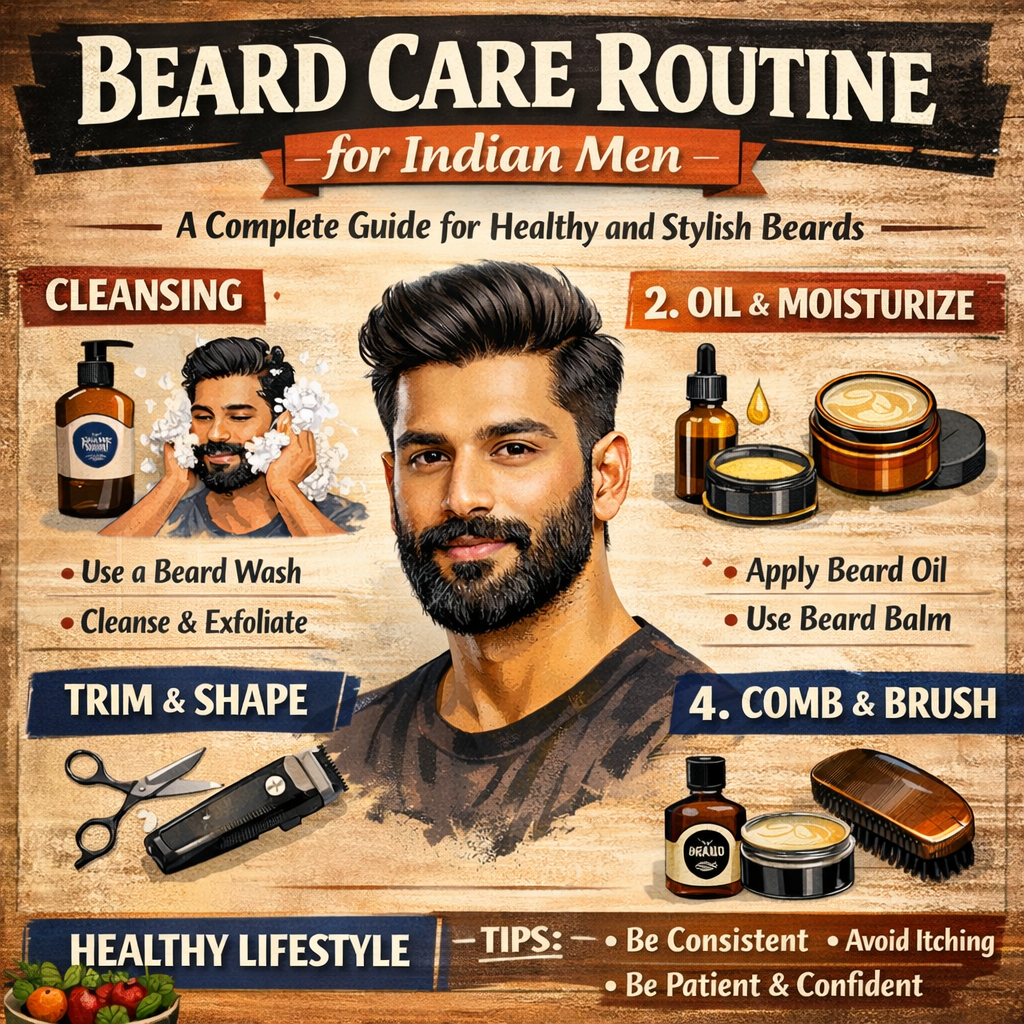
Part 7: Quick Reference Checklist —Beard Care Guide | Everything in One Place
Here is a quick summary of every action step covered in this guide, organized by when to do it:
3 Days Before Holi
- Use a gentle clarifying beard wash to remove product buildup
- Deep condition with argan oil, shea butter, or jojoba-based mask
- Trim beard to remove split ends and damaged tips
1-2 Days Before Holi
- Apply another round of deep conditioning
- Begin oiling your beard to build up a protective layer
- Do a final light wash and re-oil
Morning of Holi
- Apply heavy oil coat from roots to tips
- Massage oil into the skin beneath your beard
- Prepare your bandana or scarf for coverage
During the Festival
- Wear fabric coverage over beard when possible
- Choose natural, plant-based colors
- Avoid heavy water-gun zones
- Do not rub or scratch your beard
Immediately After
- Oil pre-cleanse for 5-10 minutes on dry beard
- Wash with sulfate-free cleanser (maximum two rounds)
- Rinse with lukewarm water, finish with cool rinse
- Apply deep moisture mask
Recovery Week (Days 1-7)
- No styling products for first 48 hours
- Daily moisture masks and leave-in conditioner
- Apply diluted tea tree oil for itchiness
- Resume gentle brushing with boar bristle brush
- Increase water intake and eat nutrient-rich foods
Conclusion: Holi Without the Regret
Holi is one of the most joyful celebrations you can experience. There is truly nothing like it — the colors, the energy, the togetherness. And now you know that having a beard does not have to mean dreading the aftermath.
The key is simple: prepare well, protect during, and recover properly. Start oiling a few days ahead. Use physical barriers during the festival. Clean gently and patiently afterward. Feed your beard the moisture and nutrients it needs to bounce back. And then keep up those good habits year-round so next Holi you walk in even more prepared.
Your beard is not just facial hair — it is a part of how you carry yourself. With the right care, it can handle every Holi and still come out looking sharp. So grab your oils, stock up on natural colors, and get ready to celebrate fully. You and your beard are more than ready for it.
Happy Holi! Stay groomed. Stay confident. Stay colorful.

Leave A Comment